

why do cats make biscuits?
Why Do Cats Make Biscuits? The Science Behind Feline Kneading
The Ethology of “Making Biscuits”
In my very close experience with a black cat named Munci, who is extremely intelligent, cats show this behavior when they feel that you are their safe place—like their mother or someone they can trust. This behavior is deeply instinctive in them from a very young age. They do it to their mother right before feeding, which makes it very special that they remember this behavior and do it to you. It means they see you as a maternal figure.
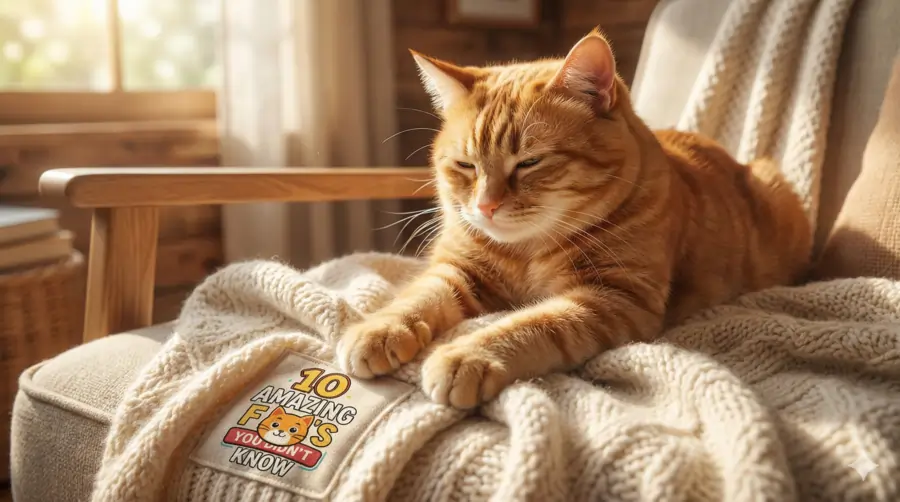
You call it “making biscuits.” Scientists call it kneading. Regardless of the terminology, the behavior is unmistakable: a rhythmic, alternating push-pull motion of the front paws against a soft surface. It is one of the most common yet misunderstood behaviors in domestic felids.
While internet culture has reduced this action to a meme about baking, the biological reality is far more complex. This is not merely a cute quirk; it is a retained instinct with roots in evolutionary biology, ethology, and feline behavior.
To understand why your cat kneads, you must look past the domestic house cat and peer into the wiring of the predator beneath.
The Biological Imperative: Neoteny and Nursing
The primary origin of kneading lies in kittenhood.
From the moment a kitten is born, survival depends on milk. To stimulate the flow of milk from the mother cat, kittens instinctively push their paws against her mammary glands. This mechanical action, combined with purring, signals the mother to release oxytocin, facilitating milk letdown. This is a survival reflex, not a learned behavior.
As cats mature, they typically outgrow the need for milk, yet the behavior persists. In animal psychology, this is often attributed to neoteny—the retention of juvenile traits into adulthood.
When an adult cat kneads your lap or a blanket, they are regressing to that safe, kitten-like state. They are not hungry; they are accessing a deep-seated neural pathway associated with warmth, safety, and the ultimate comfort of the maternal bond.
Chemical Warfare: Scent Marking and Territoriality
Your cat is not just getting comfortable. They are claiming you.
Cats are territorial creatures that communicate primarily through scent. While humans rely on sight and sound, cats live in a world of chemical signals.
Paw pads are equipped with interdigital scent glands. When a cat engages in kneading, they activate these glands, releasing pheromones onto the surface they are touching.
-
The Act: Rhythmic pressure on a surface.
-
The Result: Deposition of a unique chemical signature.
-
The Message: “This object (or person) belongs to me.”
This form of territorial marking is subtle compared to urine spraying, but it is just as significant to the cat. If you are the target of the kneading, you have been chemically labeled as property of the feline. This reinforces bonding and establishes a safe zone within the cat’s environment.
The Evolutionary Throwback: Nesting and Treading
Wild ancestors of the domestic cat, such as the African Wildcat (Felis lybica), did not have plush sofas. They slept on tall grasses, leaves, and rough terrain.
Evolutionary biologists suggest that kneading, or treading, served a practical survival function in the wild. Before settling down to sleep, a wild cat would tread on the grass to:
-
Check for snakes, insects, or hidden predators.
-
Flatten the foliage to create a comfortable nesting area.
This instinctual need to prepare a sleeping surface remains encoded in the domestic cat’s DNA. When they knead a blanket before curling up, they are performing a ritual that kept their ancestors alive for millennia.
Psychological Drivers: Stress Relief and Tactile Stimulation
Kneading is not always about the past; it is often a coping mechanism for the present.
The Mechanics of Self-Soothing
Life in a human household can be stressful for an animal with predatory instincts. Loud noises, changes in routine, or the presence of other pets can disrupt a cat’s equilibrium.
Kneading serves as a powerful tool for stress relief. The repetitive nature of the movement is hypnotic and allows the cat to enter a relaxed state. It functions similarly to how a human might squeeze a stress ball or pace when anxious.
During this process, the brain releases endorphins—natural pain-relieving and pleasure-inducing chemicals. This chemical release reinforces the behavior, creating a positive feedback loop. A happy cat kneads to express contentment; a stressed cat kneads to generate it.
The Interaction of Claws and Tactile Stimulation
You may notice that claws often extend and retract during kneading. This is not aggression; it is a stretching mechanism.
Cats rely on tactile stimulation to maintain physical health. Kneading engages the muscles in the shoulders, legs, and toes, effectively acting as a workout. This stretching keeps the limbs limber and ready for action—a critical trait for an ambush predator.
However, this can be painful for owners. If your cat digs their claws in, do not punish them. They are in a trance-like state of affection. Instead, place a thick barrier, like a quilt, between their paws and your skin.
When “Making Biscuits” signals a Problem
While usually benign, kneading can sometimes indicate underlying issues. It is the job of a responsible owner to discern between contentment and compulsion.
Mating Behavior
Intact female cats will often knead excessively when they are in heat (estrus). This is often accompanied by lordosis (raising the hindquarters) and vocalizing. In this context, the behavior is a signal of reproductive readiness, not just comfort.
Separation Anxiety and Weaning
There is a prevailing myth that cats who knead were weaned too early. While early weaning can lead to oral fixations (like sucking on wool), ethology research indicates that nearly all cats knead, regardless of when they left their mothers. However, frantic, obsessive kneading combined with suckling on fabric can be a sign of separation anxiety or compulsive disorder.
Pain Indicators
Rarely, a cat may knead to self-soothe physical pain. If the behavior starts suddenly in a senior cat and is accompanied by hiding, lethargy, or aggression, it warrants a veterinary examination.
Frequently Asked Questions (FAQs)
Below are the most common questions regarding feline kneading behavior, answered with ethological accuracy to help you better understand your cat’s instincts.
Why do cats make biscuits on their owners?
When a feline kneads your lap or chest, they are treating you as a surrogate maternal figure or a safe territory. This behavior serves two primary biological functions: bonding and scent marking. By pressing their paws against you, they are depositing pheromones from their interdigital scent glands, effectively claiming you as part of their family unit while simultaneously self-soothing.
Does kneading mean my cat was taken from its mother too early?
This is a common misconception. While kneading is rooted in the nursing reflex of kittenhood, it is not an exclusive indicator of premature weaning. The majority of adult cats, even those weaned at the appropriate age (8–12 weeks), retain this instinct because it remains a lifelong mechanism for stress relief and comfort. However, if the kneading is accompanied by compulsive fabric sucking, it may indicate a higher level of attachment anxiety.
Why do cats make biscuits on blankets and soft surfaces?
This behavior mimics the nesting instincts of wild ancestors. In nature, wild cats tread on grass and foliage to create a comfortable, pest-free depression for sleeping. When your domestic cat kneads a blanket, they are instinctively “fluffing” their sleeping quarters to ensure it is safe and comfortable before settling down.
Is it normal for cats to drool while kneading?
Yes, this is a physiological response to extreme relaxation. The kneading motion triggers a neural association with nursing, which can stimulate the salivary glands just as it did when they were kittens anticipating milk. It is a sign that your cat has entered a trance-like state of contentment.
Why do cats use their claws when making biscuits?
The extension of claws during kneading is typically involuntary and related to stretching. As the cat pushes and pulls, they are engaging the muscles in their shoulders and toes. While this provides excellent tactile stimulation for the cat, it can be painful for the owner. It is not an act of aggression; simply place a thick barrier, such as a quilt, between you and the cat to mitigate the scratching.
Do male cats make biscuits?
Absolutely. Kneading is not a gender-specific behavior restricted to female or mother cats. It is a universal feline behavior observed in both sexes. Male cats use it for the same reasons: territorial marking, comfort, and flexibility.
Conclusion
The question “Why do cats make biscuits?” does not have a single answer. It is a convergence of biology, history, and psychology.
It is a remnant of kittenhood, a method of scent marking, an ancient nesting ritual, and a modern tool for stress relief.
When your cat kneads you, they are treating you as a mother, a territory, and a safe haven all at once. It is a high compliment from a species known for its independence. Respect the instinct.