

How to discipline a cat?
🐾 How to Discipline a Cat: Gentle, Effective Techniques That Work
Cats are enigmatic, independent creatures. They don’t respond to discipline the way dogs do, which can make managing unwanted behaviors a challenge. But don’t worry—disciplining your cat doesn’t have to be frustrating or harsh. With the right approach, you can guide your feline friend toward better behavior while strengthening your bond.
At 10 Amazing Facts You Didn’t Know, we’re dedicated to bringing you fascinating insights and practical advice. If you’re seeking more in-depth knowledge and exclusive content, consider subscribing to our site and joining our YouTube channel for engaging videos that delve deeper into topics like feline behavior, training techniques, and much more.
🧠 Understanding Your Cat’s Behavior
Before diving into discipline methods, it’s essential to understand why cats behave the way they do. Unlike dogs, cats are solitary hunters by nature. Their behaviors—scratching, climbing, biting—are instinctual and serve specific purposes like marking territory, sharpening claws, or hunting.
Recognizing these instincts allows you to address the root cause of the behavior rather than just the symptoms. For instance, if your cat scratches furniture, it’s not out of spite; they’re fulfilling a natural need. Redirecting this behavior to a scratching post is more effective than punishment.
✅ Effective and Humane Discipline Techniques
1. Positive Reinforcement
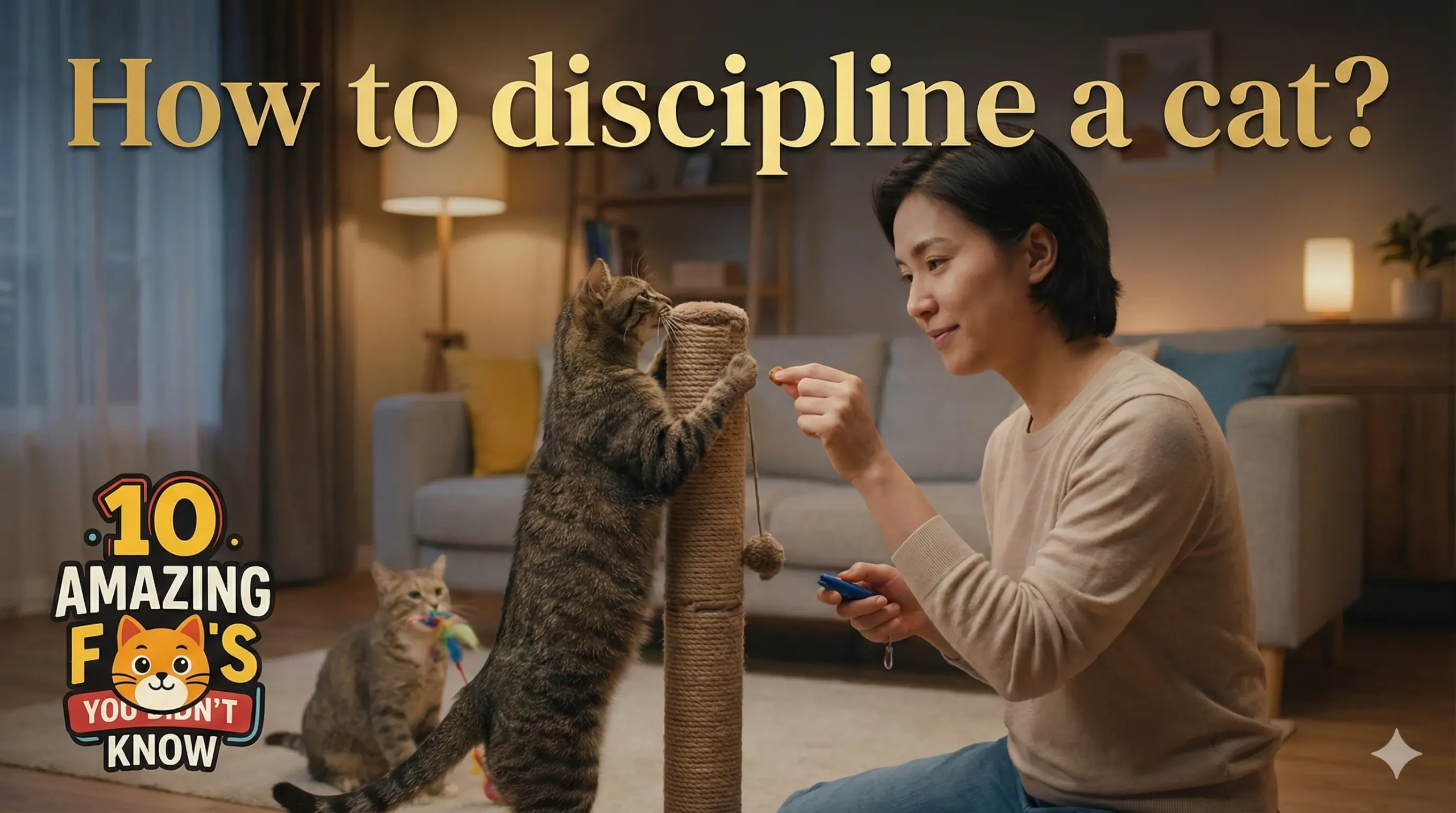
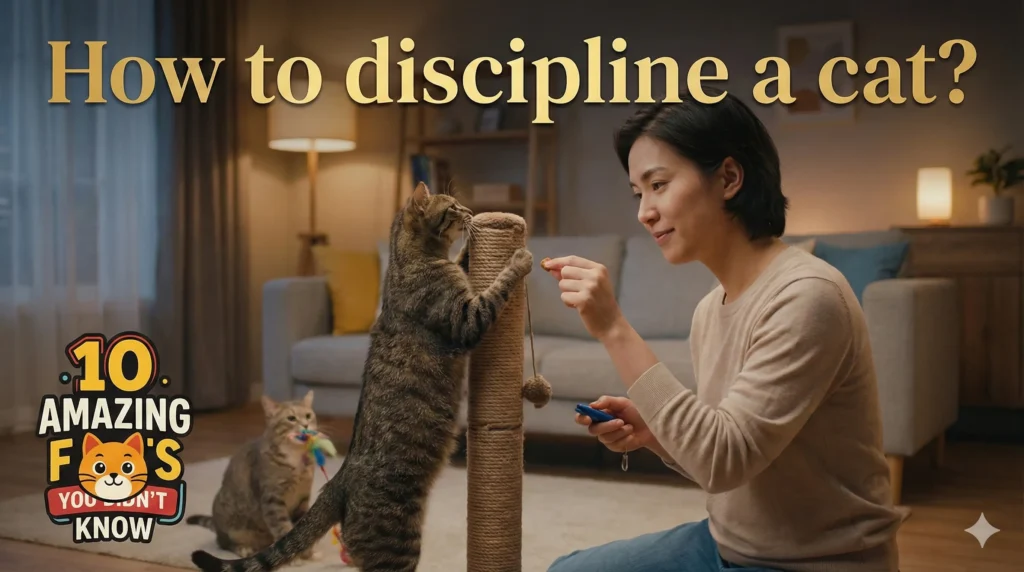
Rewarding good behavior is one of the most effective training methods. When your cat uses the scratching post instead of the couch, immediately reward them with a treat or affection. This reinforces the desired behavior and encourages repetition.
According to the British Psychological Society, positive reinforcement is a well-established method for training cats, involving rewarding a behavior to increase the likelihood of its recurrence.
2. Redirecting Behavior
Instead of punishing unwanted behaviors, redirect your cat’s attention to more appropriate activities. If your cat is scratching the furniture, gently move them to the scratching post and reward them when they use it.
This approach aligns with the advice from The Spruce Pets, which emphasizes redirecting behavior and providing appropriate outlets for natural instincts.
3. Environmental Modifications
Make your home less appealing for unwanted behaviors. Use double-sided tape on furniture to deter scratching or place motion-activated devices to discourage jumping on counters.
The Merck Veterinary Manual suggests environmental modifications as part of a comprehensive behavior management plan.
4. Time-Outs
If your cat becomes overly aggressive or overstimulated, a brief time-out in a safe, quiet space can help them calm down. This method should be used sparingly and never as a form of punishment.

❌ What to Avoid
Certain disciplinary methods can harm your relationship with your cat and exacerbate behavioral issues:
-
Physical Punishment: Hitting or swatting your cat can lead to fear and aggression.
-
Yelling: Loud voices can startle your cat and cause anxiety.
-
Spray Bottles: While commonly used, they can create stress and mistrust.
The American Society for the Prevention of Cruelty to Animals (ASPCA) advises against these methods, highlighting the importance of positive reinforcement and understanding feline behavior.
🐾 Strengthen Your Bond Through Training
Training isn’t just about correcting bad behavior—it’s an opportunity to strengthen your relationship with your cat. Spend quality time together, engage in interactive play, and provide mental stimulation through puzzle feeders or new toys.
For more tips and insights on feline behavior, subscribe to 10 Amazing Facts You Didn’t Know and join our YouTube channel for engaging videos that delve deeper into topics like feline behavior, training techniques, and much more.

❓ Frequently Asked Questions
Q1: How can I stop my cat from scratching furniture?
A1: Provide multiple scratching posts, use double-sided tape on furniture, and reward your cat when they use the scratching post.
Q2: Is it okay to use a spray bottle to discipline my cat?
A2: While some people use spray bottles, they can cause stress and fear. It’s better to use positive reinforcement and redirection.
Q3: How do I train my cat to stop jumping on counters?
A3: Use motion-activated devices, place aluminum foil on counters, and reward your cat when they stay off.
Q4: Can I train an older cat?
A4: Yes, older cats can learn new behaviors. Be patient and consistent with training.
Q5: How can I calm an aggressive cat?
A5: Provide a safe space, avoid confrontation, and consult with a veterinarian or animal behaviorist if necessary.
By understanding your cat’s behavior and employing humane training techniques, you can foster a peaceful and enjoyable relationship with your feline companion. Remember, patience and consistency are key. If you’re interested in more in-depth knowledge and exclusive content, consider subscribing to our site and joining our YouTube channel for engaging videos that delve deeper into topics like feline behavior, training techniques, and much more.