

Moments When Cats Show Unconditional Love
Moments When Cats Show Unconditional Love
Cats are often seen as independent, sometimes aloof companions, yet those who share their lives with them know a secret: cats are capable of immense, unconditional love. Whether it’s a gentle nuzzle, a quiet purr, or a tender headbutt, these subtle gestures are expressions of deep affection that reveal a side of cats often overlooked. In this article, we explore the most heartwarming moments when cats show unconditional love, backed by research, expert insights, and real-life stories that will make you cherish your feline friend even more.
Understanding Cat Affection: More Than Meets the Eye
While dogs have long been celebrated for their loyalty and expressive love, cats communicate differently. According to Dr. John Bradshaw, a leading anthrozoologist, “Cats form strong bonds with their owners and demonstrate affection in subtle but meaningful ways. Recognizing these moments requires attention and empathy.”
Cats show love through body language, vocalizations, and even behaviors that may seem mysterious at first. Some common signs include:
-
Purring when near their favorite humans, often a sign of contentment and trust.
-
Kneading with paws, reminiscent of kittenhood, showing comfort and attachment.
-
Following their owner from room to room, a quiet testament to companionship.
-
Bringing “gifts”, such as toys or even caught prey, signaling care and sharing.
Heartwarming Moments of Cat Love
1. Snuggling and Sleeping Together
One of the most universally recognized signs of a cat’s love is physical closeness. Many cats prefer sleeping on or near their owners. This behavior is not just about warmth; it’s a display of trust and security. In a study published by the Journal of Feline Medicine, cats that slept with their owners showed lower stress levels and stronger bonds than those that didn’t.
2. Gentle Head Butts and Nuzzles
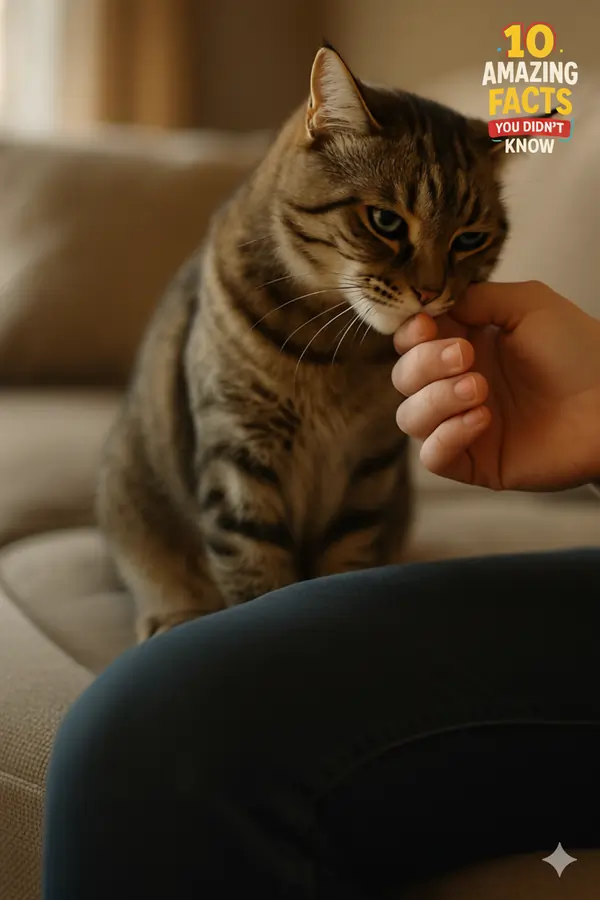
Those subtle, affectionate gestures—head butts, cheek rubs, and nose touches—may seem minor, but they carry powerful emotional weight. These actions deposit pheromones, marking their humans as part of their safe space and family. Owners often report feeling an emotional lift when greeted in this way, highlighting cats’ remarkable emotional intelligence.
3. Loyal Companionship in Difficult Times
Cats are more empathetic than often credited. There are countless anecdotes of cats staying by owners’ sides during illness, comforting them with gentle purring or simply being present. Dr. Ingrid Johnson, a veterinarian specializing in animal behavior, notes, “Cats can sense changes in their human’s emotional state and respond in ways that soothe anxiety and stress.”
4. Vocal Affection: Meows and Purrs
While cats may not wag their tails like dogs, vocalizations serve as a primary communication tool. A soft, repeated meow, or a persistent purr when you’re feeling down, often indicates affection and reassurance. Researchers at the University of Sussex found that cats tailor their meows specifically to human attention, a fascinating sign of adaptive, emotionally-driven behavior.
5. The Gift of Play
Play is more than entertainment—it’s a form of bonding. Cats often bring toys to their owners, engaging in shared play that strengthens trust and connection. This behavior mirrors natural hunting practices but is infused with love and social interaction in a domestic context.
Real-Life Stories That Will Melt Your Heart
Consider Lucy, a Maine Coon cat from Austin, Texas, who every morning waits by her owner’s alarm clock. When it goes off, she hops onto the bed and purrs until her owner wakes. Or Max, a Siamese in New York, who cuddles against his owner during bouts of anxiety, never leaving their side. These stories are not anomalies—they are evidence of the profound emotional bonds cats form with humans.
Why Cats Show Unconditional Love
Cats’ ability to love unconditionally is rooted in both evolution and social learning. While domestication altered their dependence on humans, it also strengthened social bonds. Cats learn from interaction, rewards, and routine, forming attachments similar to those seen in human infants with caregivers.
Experts agree that recognizing and nurturing these bonds improves both the cat’s and the owner’s well-being. Caring for a cat with attention, affection, and respect encourages more loving behaviors, creating a mutually reinforcing cycle of trust and companionship.
How to Encourage More Loving Behavior
To cultivate these special moments:
-
Spend quality time daily with your cat, through play or quiet presence.
-
Respect their space—love in cats often comes when they feel safe and not pressured.
-
Observe and respond to their signals; a purr or head nudge is a cue to engage gently.
-
Create a comfortable environment with cozy spots and familiar scents to foster relaxation and bonding.
Subscription CTA: Unlock More Heartwarming Cat Moments
For cat lovers eager to see even more incredible stories, videos, and expert insights, subscribe to 10 Amazing Facts You Didn’t Know. Our premium subscription gives you:
-
Access to exclusive cat behavior videos and tutorials.
-
Daily insights into your feline friend’s mysterious behaviors.
-
Interactive content to enhance bonding with your cat.
-
Invitations to live webinars and Q&A sessions with cat experts.
Join thousands of passionate cat owners today—your subscription supports continued research, exclusive content creation, and helps your cat feel more loved than ever.
FAQs About Cats Showing Unconditional Love
Q1: Do all cats show affection in the same way?
A: No. Cats express love differently based on personality, breed, and environment. Some are very vocal, while others prefer silent companionship.
Q2: Can cats sense human emotions?
A: Yes. Multiple studies confirm that cats can detect stress, sadness, and happiness through body language, scent, and tone of voice.
Q3: Is purring always a sign of love?
A: Not always. Purring often indicates contentment and comfort, but it can also signal pain or anxiety. Context and behavior are key.
Q4: How can I encourage my cat to show more affection?
A: Build trust through consistent care, gentle interaction, and respect for their boundaries. Interactive play and positive reinforcement work well.
Q5: Can subscriptions to cat behavior sites like 10amazingfactsudidntknow.com improve my relationship with my cat?
A: Absolutely. Access to expert videos, tips, and real-life stories provides insight into feline behavior, strengthening the bond and understanding between you and your cat.
Cats may be mysterious, but their capacity for love is undeniable. By paying attention, nurturing trust, and celebrating the small moments of connection, we can witness the purest form of unconditional love—straight from our feline companions.
Don’t miss out on more heartwarming cat moments—subscribe today, watch our videos, and join a community of passionate cat lovers!